

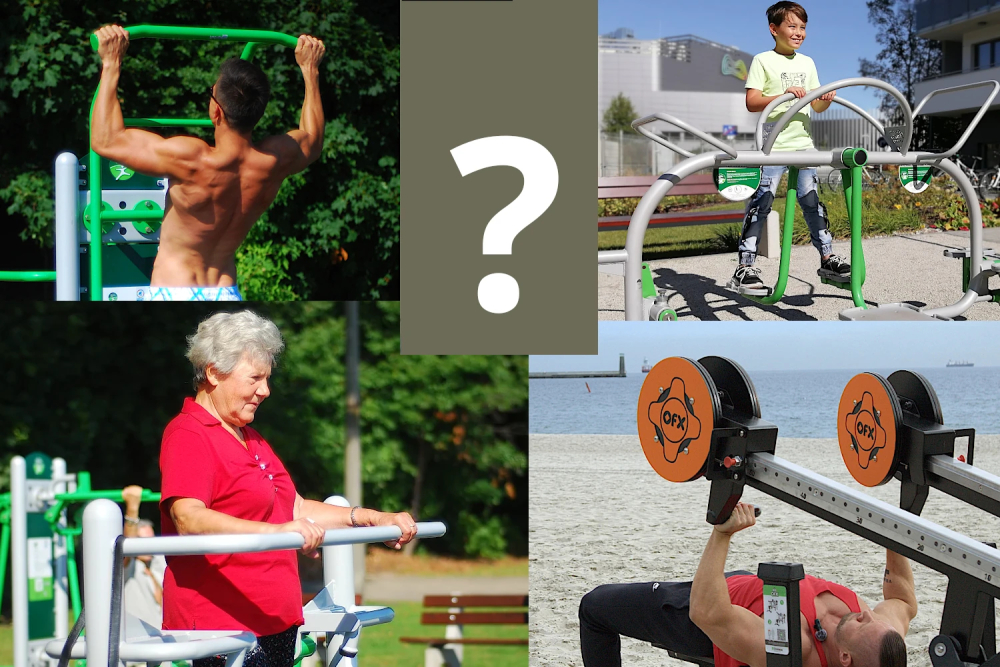


A playground should give children a safe and attractive space for play, physical development and social interaction. A well-designed and well-equipped playground can become a favourite place to spend time.
A playground is a place that should give children a safe and appealing space for play, physical development and social interaction. A well-designed and well-equipped playground can become a favourite place to spend time for children of different ages. However, in order to fulfil its functions, it must contain the right elements and equipment. In this article we take a closer look at what a playground should include so that it is safe, functional and appealing to its youngest users.
What should be taken into account when designing a playground?
When designing a playground, several key aspects should be taken into account. Above all, it should be suited to the age and developmental abilities of the children who will use it. It is important that the equipment and fittings are made from safe, durable, high-quality materials. A playground must also meet specific safety standards. The proper arrangement of the space is also important, so that the individual zones and pieces of equipment are suitably spaced apart and do not create a risk of collision. It is also worth ensuring the visual appeal of the playground by choosing attractive, colourful equipment and elements of small architecture.
Basic playground equipment
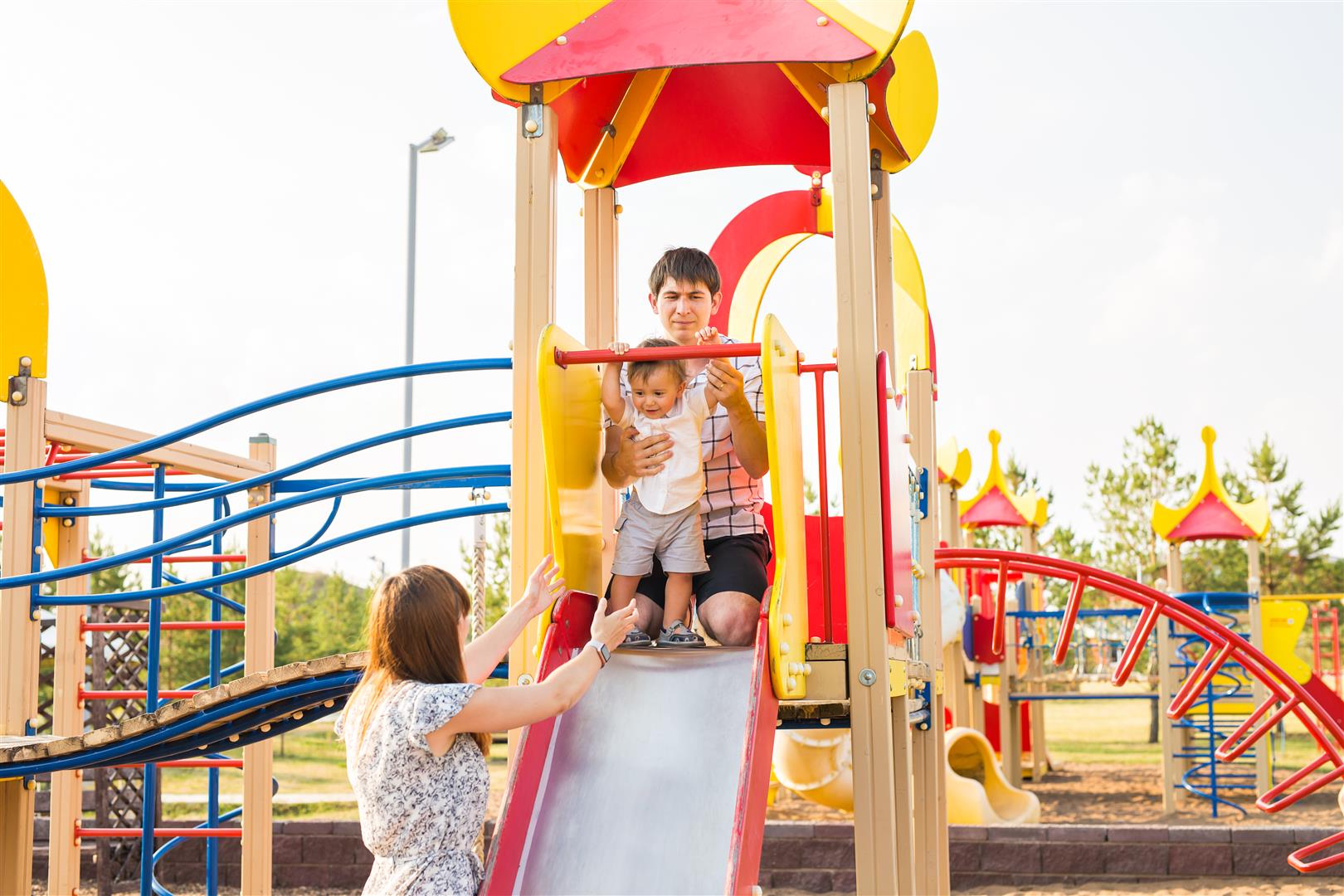
A carefully planned and arranged playground is a place that will give children many hours of safe and appealing play in the fresh air. The equipment of every playground should include items that develop motor fitness, agility and balance. Among these, classic swings must not be missing, available in various versions – from traditional swings moved by muscle power, through “bird’s nest” swings, to swings with bucket seats for the youngest children. Another essential element is slides, which should be suited to the age of the users and come in different heights and shapes. It is also worth installing ladders, trampolines, climbing walls and balance beams, which allow children to develop motor coordination and overcome a fear of heights. An important element of a playground is also a sandpit – a place where children can develop their creativity by building sandcastles, sand pies and other constructions. The sandpit should be sufficiently large to accommodate several children at once, and should have a closable cover protecting the sand from contamination and animals.
Safety first
When designing a playground, particular emphasis should be placed on safety. All equipment and fittings must meet the strict safety standards set out in the PN-EN 1176 series of standards. Regular inspections and maintenance of the equipment are essential to keep it in good technical condition and to prevent accidents. An important aspect of safety is also a suitable playground surface. It should be made from impact-absorbing materials such as sand, wood chips, EPDM impact tiles or poured coloured EPDM/SBR surfacing. It is also worth providing fencing for the playground to prevent children from leaving the area, running onto a car park or road, and to keep animals out. A playground should also have information boards with the rules of use and the contact details of the manager. This way parents and carers will know which rules to follow and, if necessary, will be able to contact the relevant services quickly.
Additional facilities and attractions
Besides the basic equipment for play and motor development, it is worth fitting a playground with additional facilities and attractions. These could be, for example, benches and tables where parents and carers can sit and rest, and children can have a snack or a drink of water. Litter bins should not be missing either, so as to keep the area clean. Educational and sensory elements can also be an interesting addition to a playground, such as manipulation boards, sundials, telescopes or musical instruments. They develop children’s creativity, manual and cognitive abilities. Increasingly, inclusive equipment is also being installed at playgrounds, adapted to the needs of children with disabilities. These could be, for example, roundabouts with space for a wheelchair, or swings with a backrest and safety straps. Such solutions allow all children to play together, regardless of their level of ability.