


In recent years, ever more attention has been paid to designing spaces that support children’s development outdoors. One such solution is playgrounds that combine play with education and physical activity.
In recent years, more and more attention has been paid to designing spaces that support children’s development in the fresh air. One such solution is playgrounds that combine play with education and physical activity, while placing an emphasis on contact with nature. A natural playground is a space that fosters not only all-round development but also safe play based on a variety of sensory stimuli. In this article we take a closer look at why it is worth opting for playgrounds focused on contact with nature, what benefits they bring for children and how they affect their development.
What are natural playgrounds?
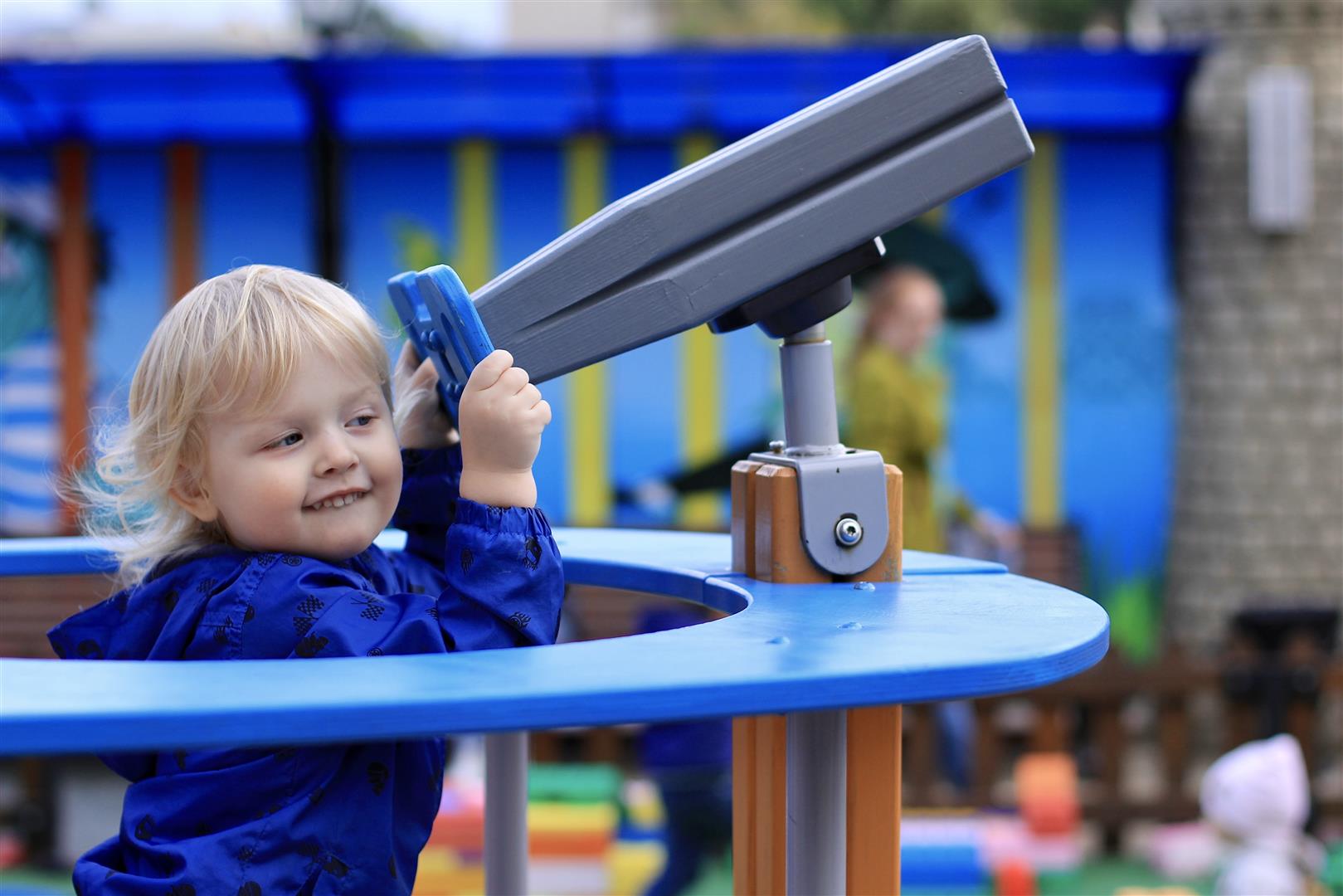
Natural playgrounds are spaces designed to interfere with the ecosystem as little as possible. Ecological, nature-friendly materials predominate, such as timber, stone, sand, water and plants. Designing such places requires taking account of the specific character of the surroundings, both aesthetically and functionally. Equipment predominates that is not designed in advance for one strictly defined purpose. It is a space that gives children freedom, allowing them to decide how they want to play using the various elements. The spaces can be enriched with educational elements such as mini-gardens, bird feeders or teaching boards. All of this is intended to support children in their development and in learning about the world around them.
Benefits for children’s development
1. Motor and physical development
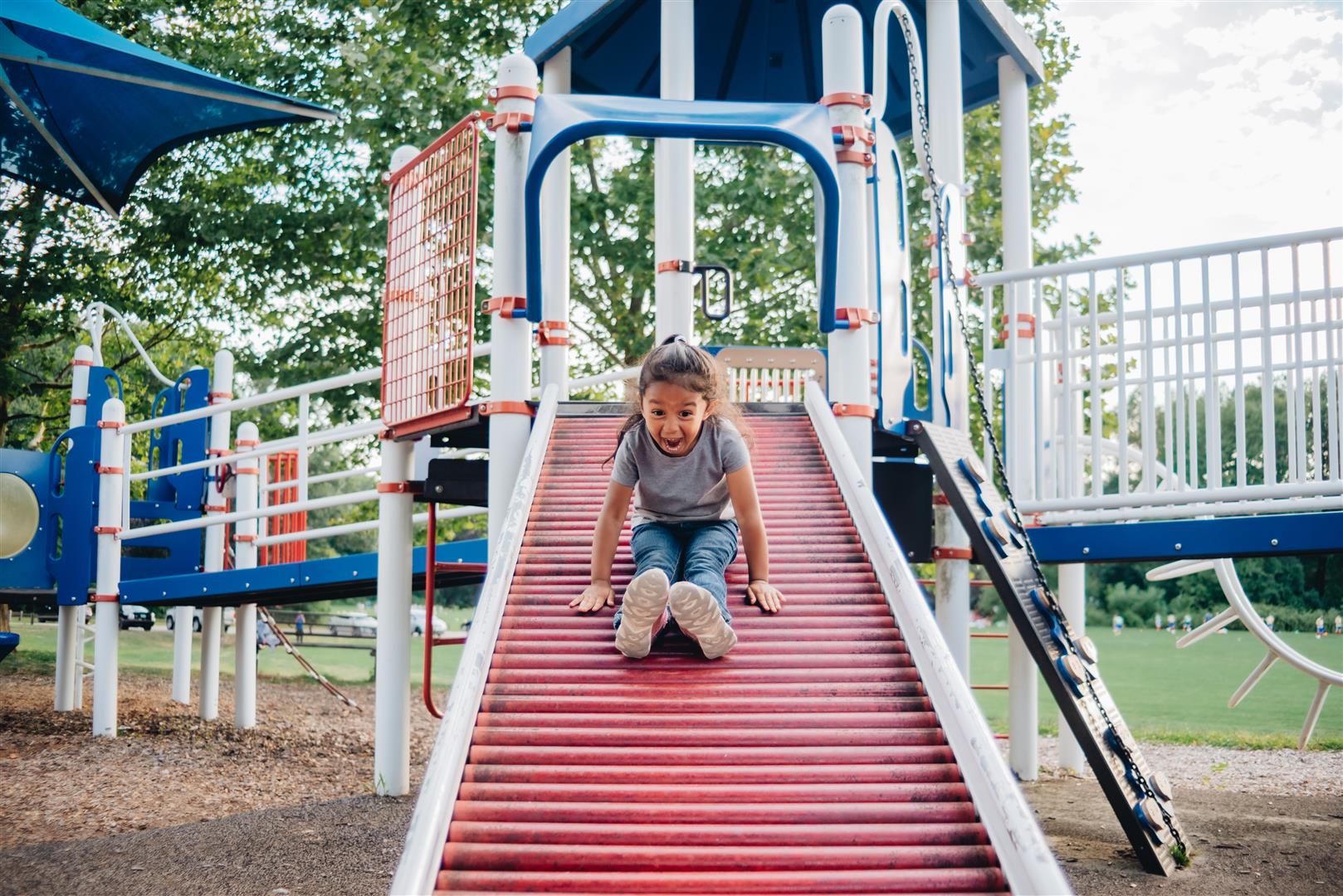
Natural playgrounds offer children a range of equipment that helps with physical development. Such playgrounds feature equipment enabling physical activity, such as swings, slides, sandpits, roundabouts and climbing elements. Thanks to them, children develop their strength, coordination, flexibility and balance. It is also worth adding that a natural base, such as sand or gravel, increases the sense of safety and encourages children to be active in the fresh air.
2. Stimulation of the senses and creativity
A playground is the ideal place to activate all of a child’s senses. Thanks to a variety of surfaces, children have the opportunity to refine their tactile, visual and auditory abilities. An interesting feature found in such playgrounds are sensory paths, which allow children to walk barefoot over different surfaces – developing their perception in the process. Vegetation, too, which can serve both a decorative and an educational function, affects the senses of sight, smell and touch.
3. Growth of social skills
Natural playgrounds encourage integration and the building of social relationships among children. Thanks to the opportunity to play in a group, children learn cooperation, communication and problem-solving. Such spaces often feature multifunctional equipment that allows for creative play. This means children learn to share, negotiate and develop interpersonal skills that will be invaluable in their later lives.
4. Creativity and imagination
One of the fundamental advantages is the fact that they offer children a space in which they can show their creativity. Using simple elements such as stones, wood and sand, children decide for themselves how to organise their play. For example, they can build sandcastles, create paths from stones or organise races. The absence of rigid restrictions on play allows the imagination to be set free, which is extremely important for children’s development.
What elements will you find in a natural playground?
Natural playgrounds not only offer traditional play elements, but also focus on children’s sensory development. Besides standard swings, slides and sandpits, you will find here:
- Sensory paths: paths made from various materials that help to develop the sense of touch.
- Slides – plenty of fun that develops sensory integration.
- Vegetation and mini-gardens – enabling children to have contact with nature and learn about plants.
- Seesaws and roundabouts – designed for playing together, creating an opportunity for integration.
Safety in a natural playground
One of the greatest advantages of natural playgrounds is that, although they use natural materials, they do not abandon compliance with safety standards. Every piece of equipment forming part of a playground must meet strict safety standards so that children can play safely. This applies both to the construction of the equipment and to the surface, which should not pose any risk of injury. In addition, many such playgrounds are designed with future use in mind, which is why materials resistant to adverse weather conditions are used.
Comments
No comment at this time!
Leave your comment