



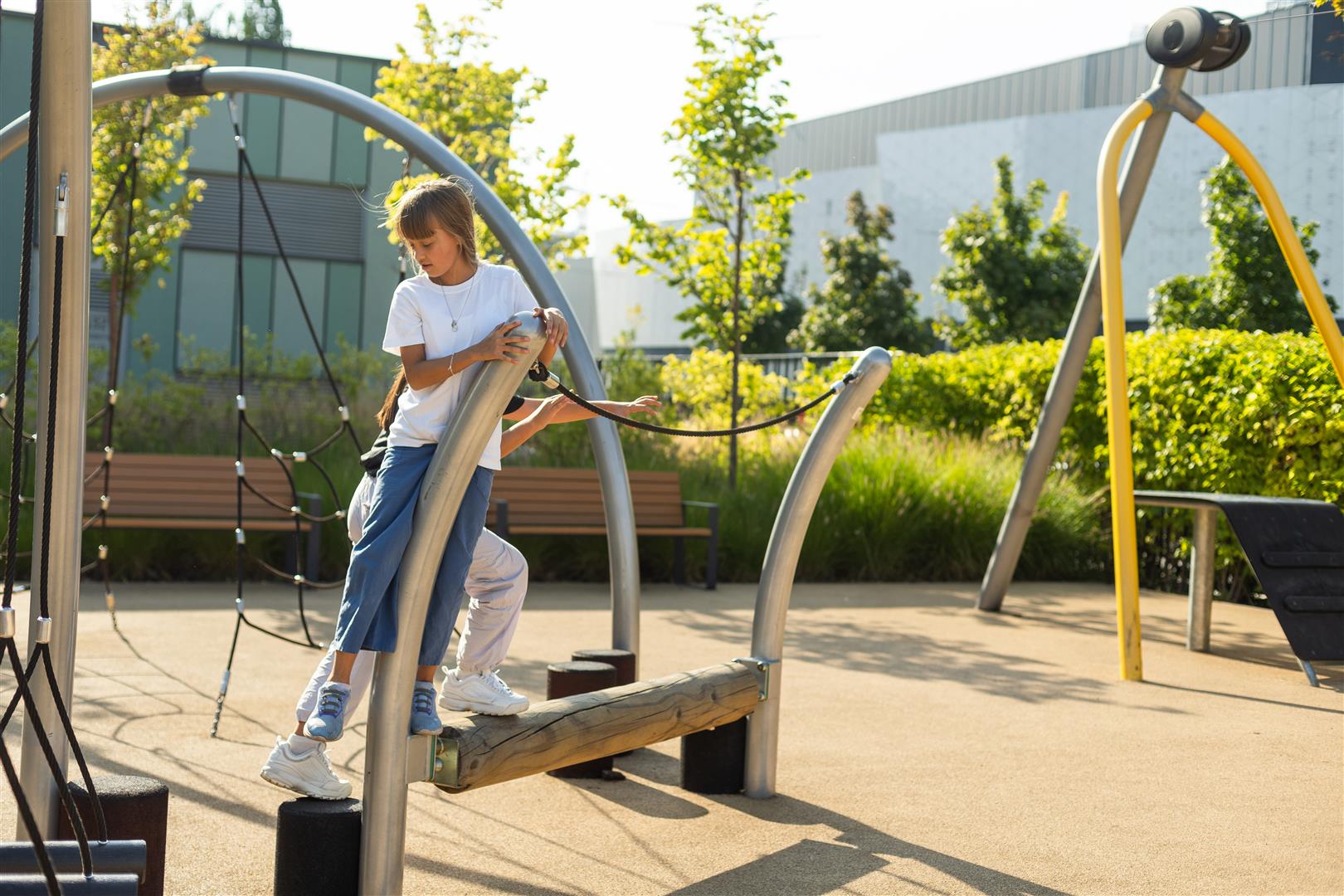
Playgrounds play a key role in children’s development, providing physical activity, play and social integration. Just as important as the appeal and functionality of the equipment is its safety – which is why certificates matter.
Playgrounds are places that play a key role in children’s development, providing them with physical activity, play and social integration. However, just as important as the appeal and functionality of the equipment is its safety. That is precisely why certificates and approvals for playgrounds are extremely important. They guarantee that the equipment meets strict standards and minimise the risk of accidents. In this article we explain why it is worth investing in certified playgrounds and what to look out for when choosing them.
What is a playground certificate and why is it needed?
A certificate is a document confirming that a given product meets specific safety and quality standards. In the case of playgrounds this means that the equipment complies with the standards relating to construction, materials and the method of installation. In Poland and the European Union the key document regulating these matters is the PN-EN 1176 standard, which sets out the requirements for playgrounds and their equipment. Why is certification essential?
- It ensures children’s safety – the equipment is designed and tested in such a way as to minimise the risk of falls, entrapment or injury.
- It guarantees the quality of materials – certified playgrounds are made from durable, non-toxic and weather-resistant materials.
- It protects investors and managers – playgrounds without certification can lead to serious legal consequences in the event of an accident.
- It meets legal requirements – in public places such as kindergartens, schools and parks, certification is mandatory.
Safety standards for playgrounds – what do they regulate?
Playgrounds must comply with standards that set out detailed guidelines for their construction, use and maintenance. The most important standard in Europe, PN-EN 1176, covers the following aspects:
- Structural safety – equipment must be stable, resistant to damage and designed in such a way as to reduce the risk of falls or entrapment.
- Safe gaps between elements – these prevent a child’s head, arms or legs from becoming trapped.
- Resistance of materials – wooden elements should be protected against rot, metal ones against corrosion and plastic ones against cracking.
- Impact-absorbing surfaces – special surfaces are recommended, such as EPDM rubber mats, sand, gravel or synthetic grass, which absorb the energy of a fall.
- Strength testing – equipment undergoes strength testing to check its resistance to intensive use.
Thanks to these regulations, playgrounds meet high standards, providing children with a safe space to play.
What consequences can a lack of certification at a playground have?
Investing in playgrounds without certification carries a serious risk both for users and for the owners of the facilities. A lack of the appropriate certificates means that the equipment may not meet safety standards, which increases the risk of accidents and injuries. In addition, owners and managers are exposed to legal consequences, because in the event of an accident the responsibility falls on them, which can result in high compensation costs. Another problem is insurance – many companies may refuse to pay out if the equipment does not meet the required standards. Furthermore, the shorter service life resulting from the absence of certified materials leads to faster wear and more frequent repairs, generating additional costs. Investing in certified playgrounds means not only greater safety but also long-term savings and the assurance of compliance with the applicable regulations.
Which materials should be used in certified playgrounds?
Certified playgrounds must be made from durable, safe materials that meet strict quality standards. The most commonly used materials are pressure-impregnated timber, which is ecological, weather-resistant and highly durable. Stainless steel guarantees strength and resistance to corrosion, which makes the equipment solid and long-lasting. UV-resistant plastics, which do not fade and are completely safe for children, are also used in the structures. An important element of modern playgrounds is EPDM rubber surfacing, which effectively cushions falls, increasing the comfort and safety of play. Thanks to the use of these materials, certified playgrounds are not only safe but also durable and suited to intensive use. By choosing certified playgrounds, you can be sure that you are investing in quality, safety and longevity. If you are planning to build a modern, safe playground, get in touch with STARMAX – a leader in the manufacture of certified playgrounds that meet the highest standards!