

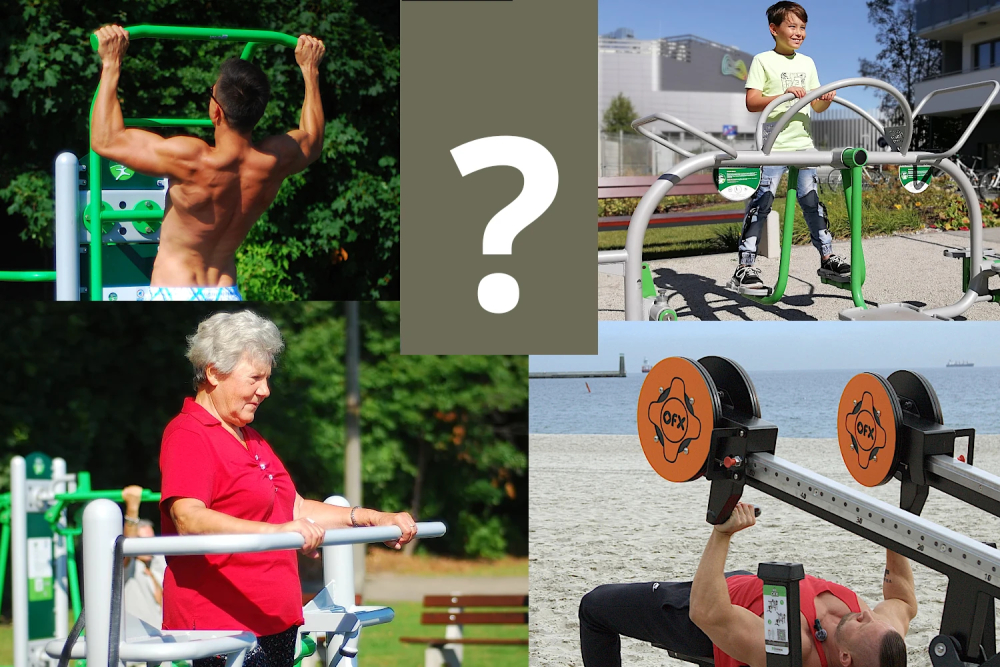


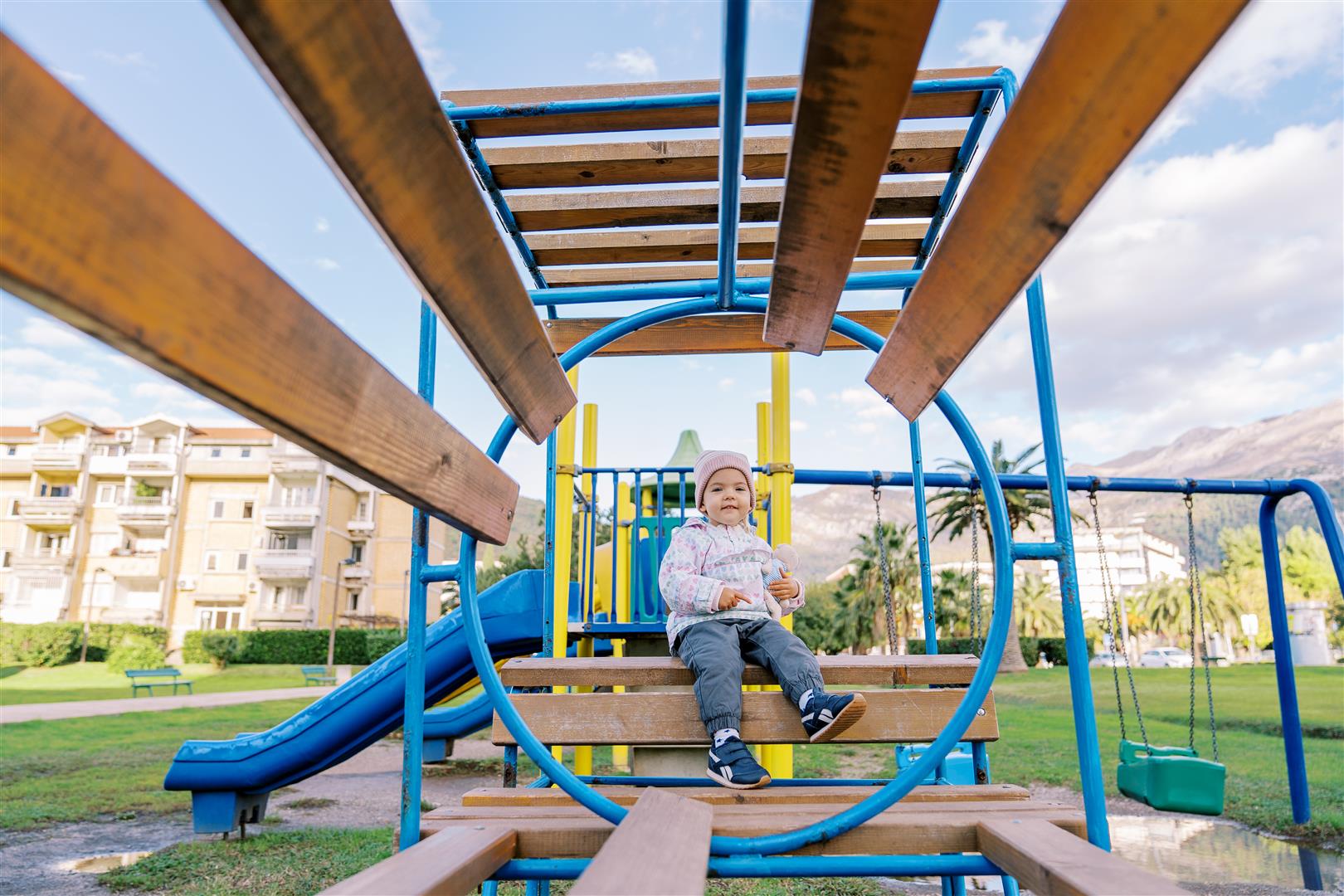
Children’s safety is a priority for every parent and carer. One of the places where our children spend a lot of time, playing and developing, is the playground. That is why it is so important that these areas are properly designed, equipped and maintained in accordance with the applicable standards. New regulations for playgrounds have recently come into force, aimed at increasing the safety of the youngest users. One of the fundamental changes is the introduction of a requirement to certify equipment in accordance with the PN-EN 1176 standard. This means that all playground fittings, such as swings, slides and ladders, must meet strict safety requirements. Equipment manufacturers are obliged to carry out the appropriate tests and obtain certificates confirming compliance with the standard.
New standards of safety and accessibility
Under the new regulations, the construction of a playground becomes a requirement when delivering multi-family buildings containing more than 20 dwellings, or complexes of buildings in which the number of dwellings exceeds 20. At least 30% of the surface of a newly created playground should be developed as an area covered with vegetation, such as grass, shrubs, trees or other plants, which support natural ecological processes, including water retention, oxygen production and biodiversity. A playground must also be accessible to people with special needs, especially those who have difficulty moving about. People using wheelchairs should have no problem getting to and using the playground. An important aspect is also ensuring adequate sunlight – at least half of the playground’s surface should be in sunlight for a minimum of 2 hours a day between 10:00 and 16:00. In city-centre areas this limit may be reduced to 1 hour. In addition, playgrounds, sports pitches and recreational areas must be located at least 10 metres from the lines of streets, roads and shared pedestrian-and-vehicle routes, from the windows of residential rooms and from waste-collection points. The new regulations also impose a requirement to fence playgrounds, with fencing at least 1 metre high and fitted with a gate at least 1.2 metres wide.
Safety zones and surfaces
The new regulations also place emphasis on the proper arrangement of the area around the play equipment. Safety zones – the areas around each piece of equipment – must be covered with an impact-absorbing surface, e.g. sand, gravel or special mats. This solution is intended to soften any falls and minimise the risk of serious injury. Sand and gravel are natural materials that work excellently in this role, while at the same time providing an attractive appearance and durability. Special impact-absorbing mats, made of rubber or other materials, offer additional benefits such as ease of keeping clean and resistance to weather conditions.
Regular inspections and maintenance
An important issue is also the regular inspection and maintenance of playgrounds. The managers of these areas are obliged to carry out systematic technical inspections, during which the technical condition of the equipment and surfaces is checked. Any faults or damage must be repaired without delay to ensure the full safety of users. Parents and carers should actively help to look after safety at playgrounds. Above all, they should supervise their children during play and make sure they use the equipment as intended and in line with their abilities. If any irregularities or faults are noticed, they should be reported to the playground manager without delay.
Rules for using the playground
The new regulations also introduce a requirement to display rules for using the equipment at the playground. Such rules should contain clear guidance on the age and manner of use of the individual fittings. This way parents and carers will be aware of which equipment is suitable for their children and how to use it safely. It is worth stressing that the new regulations for playgrounds are not merely a set of restrictive requirements, but above all an expression of concern for the health and safety of the youngest. Thanks to these regulations we can be sure that our children will play in places that have been designed and built with their needs and protection in mind.