



A playground is one of the first spaces in which a child learns about the world. It is here that curiosity develops, the first social relationships appear and experiences connected with movement, balance and cooperation take shape. A well-designed playground is not merely a collection of play equipment, but a thoughtfully planned developmental space – one that stimulates the body, the emotions and the imagination. Contemporary designs increasingly combine knowledge drawn from pedagogy, ergonomics and landscape architecture.
The playground as an environment for development
From the perspective of developmental psychology, play is one of the most important processes shaping a child’s personality. It is through movement that a child discovers its own limits, learns to assess risk and develops courage. That is precisely why a playground design should encourage a variety of activities – climbing, balancing, sliding, swinging and running. Each of these forms of movement engages different muscle groups and senses, supporting the development of gross motor skills and hand–eye coordination.
The emotional and social aspect is equally important. Playing together on a roundabout or a rope tower teaches children to wait their turn, to cooperate and to communicate. When planning the space, designers should therefore think not only about safety, but also about the social mechanisms that play sets in motion.
The principles of a good design
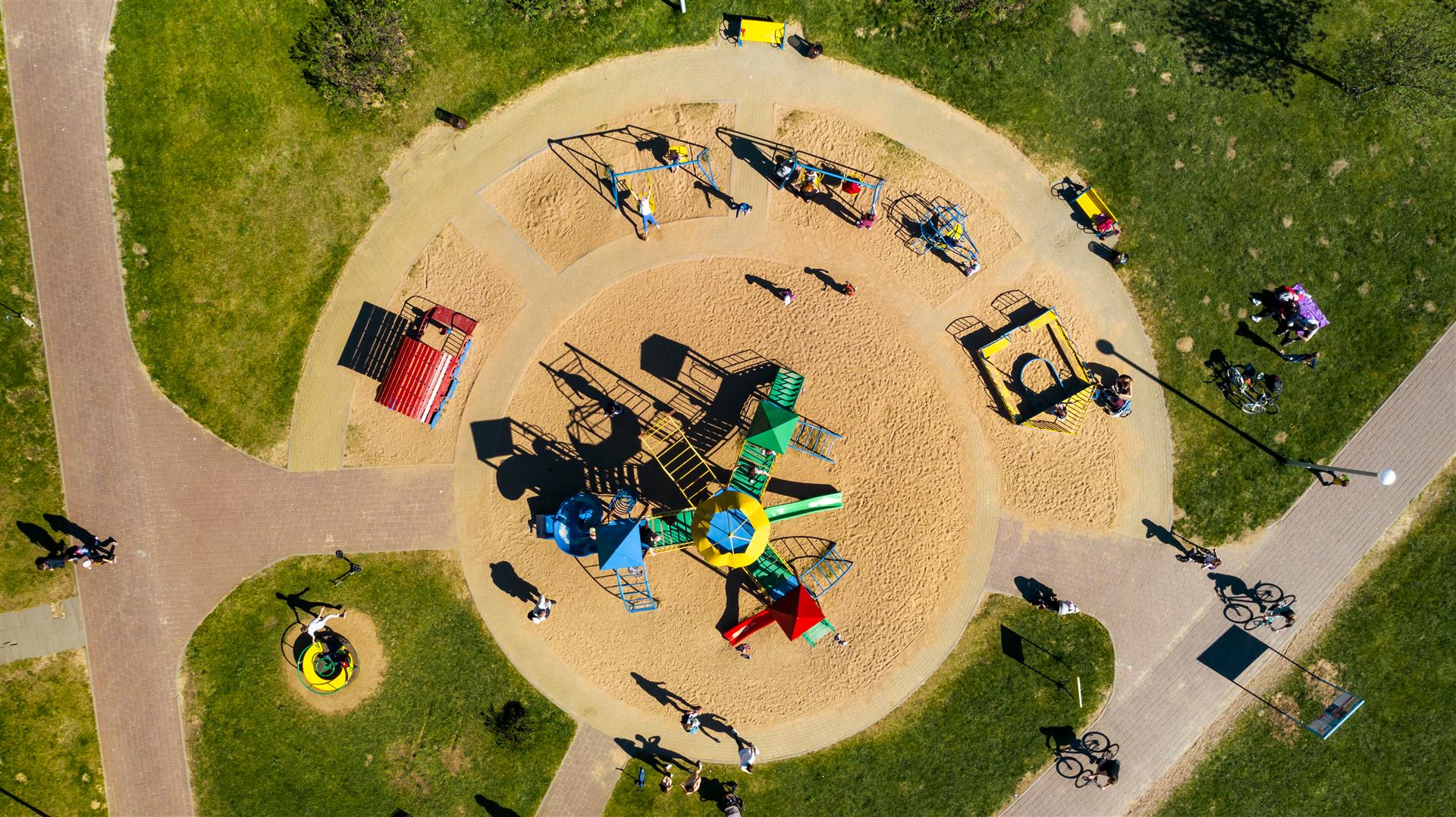
The first step in the design process is an analysis of the user group. Two-year-olds have different needs from primary-school pupils. A good playground has a clear division into zones:
- for the youngest children – low, safe equipment accessible from ground level, such as sandpits, low slides, rockers and sensory panels,
- for pre-schoolers – low sets with bridges, mini-towers, roundabouts and balancing elements,
- for older children – rope structures, tall slides, climbing walls and obstacle courses.
Separating the space in this way improves safety, prevents collisions and allows every user to find an activity suited to their abilities. It is also worth remembering rest and observation areas, which help children to regulate their levels of emotion and energy.
Safety and comfort of use
A safe playground is not only about the solid construction of the equipment, but also about a suitable surface and a well-planned setting. Impact-absorbing surfaces, such as rubber tiles or synthetic grass, minimise the risk of injury. Clear pathways, benches and shelters are equally important, as they encourage carers to stay for longer.
Materials should be durable and resistant to changeable weather conditions. In Poland, combinations of steel and timber are popular – they blend a modern appearance with a natural character. STARMAX uses powder coating and shot blasting, which significantly increases the equipment’s resistance to corrosion and mechanical damage. Technologies of this kind are an example of the standard that all designers should aim for.
Accessibility and inclusivity
More and more projects are being created in the spirit of “design for all”. Playgrounds should be accessible to children with varying degrees of physical and sensory ability. This means wide passageways, gentle ramps, inclusive equipment and sensory experience zones. Such a space not only meets the requirements of the standards, but also fosters the development of empathy and cooperation between children. A well-designed, inclusive playground becomes a place of integration for the whole community – children, parents and carers alike.
Greenery, ecology and shared space
The natural surroundings are hugely important for children’s well-being. Trees provide shade, while greenery reduces stress and noise levels. Designers increasingly make use of natural materials – wood, stone and sand – and add natural elements: gardens, flower beds and small water features. As a result, the playground becomes part of the urban ecosystem rather than an isolated structure.
Solutions of this kind also promote pro-environmental attitudes – children learn respect for nature and an understanding of its cycles. In its projects, STARMAX is happy to combine steel elements with natural inserts, creating sustainable, environmentally friendly designs.
The future of playgrounds – from movement to relationships
The most valuable playgrounds are those that not only engage the body, but also support social relationships. Shared play, conversation and cooperation are the foundation of emotional development. A well-designed space makes it easier to form connections and builds trust.
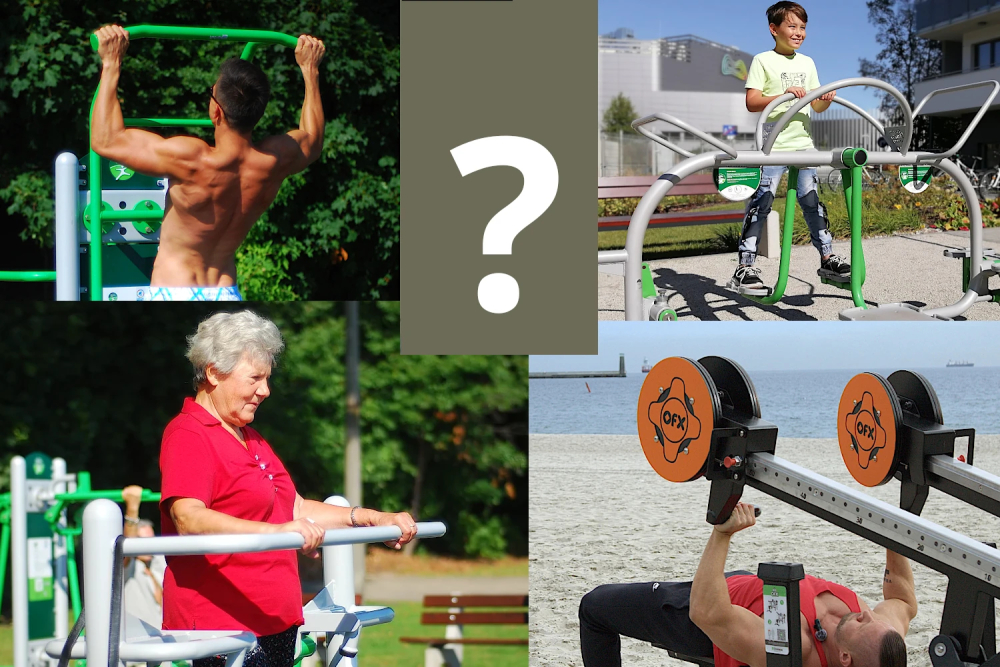
In the future, combining zones for children and adults will play an increasingly important role – for example by installing an outdoor gym near the play areas. Everyone benefits from this: children are given models of active behaviour, while adults can exercise without losing sight of those in their care.
A properly designed space supports the independence, self-confidence and physical health of the youngest users. And if the project is entrusted to an experienced manufacturer, you can be sure that it will be not only safe but also durable – serving children for years to come.