



Among the many forms of activity, climbing for children is arousing ever more interest – attractive, yet safe play that engages the whole body. Such structures can be found both in playgrounds and in home gardens.
Among the many forms of activity, climbing for children is attracting growing interest – an appealing yet safe form of play that engages the whole body. Structures of this kind can be found both in playgrounds and in domestic gardens, which means children can enjoy daily contact with an activity that develops them in a natural and pleasant way.
Climbing for children as support for psychomotor development
Climbing is one of the most versatile forms of movement available to children. It engages almost every muscle group – from the arms and torso, through the abdominal muscles, to the legs and feet. Unlike simple exercises, it requires full coordination, planning of successive moves and the maintenance of balance. As a result it develops both strength and motor skills, which are the foundation of further physical activity in later stages of life. From the point of view of psychological development, climbing supports the process of forming independence and a sense of agency. A child who overcomes obstacles becomes aware of its own abilities and builds self-confidence. This experience is especially valuable for shy children, who, through small physical successes, learn to take on challenges and gradually break down barriers.
A playground with climbing – a space for safe learning and play
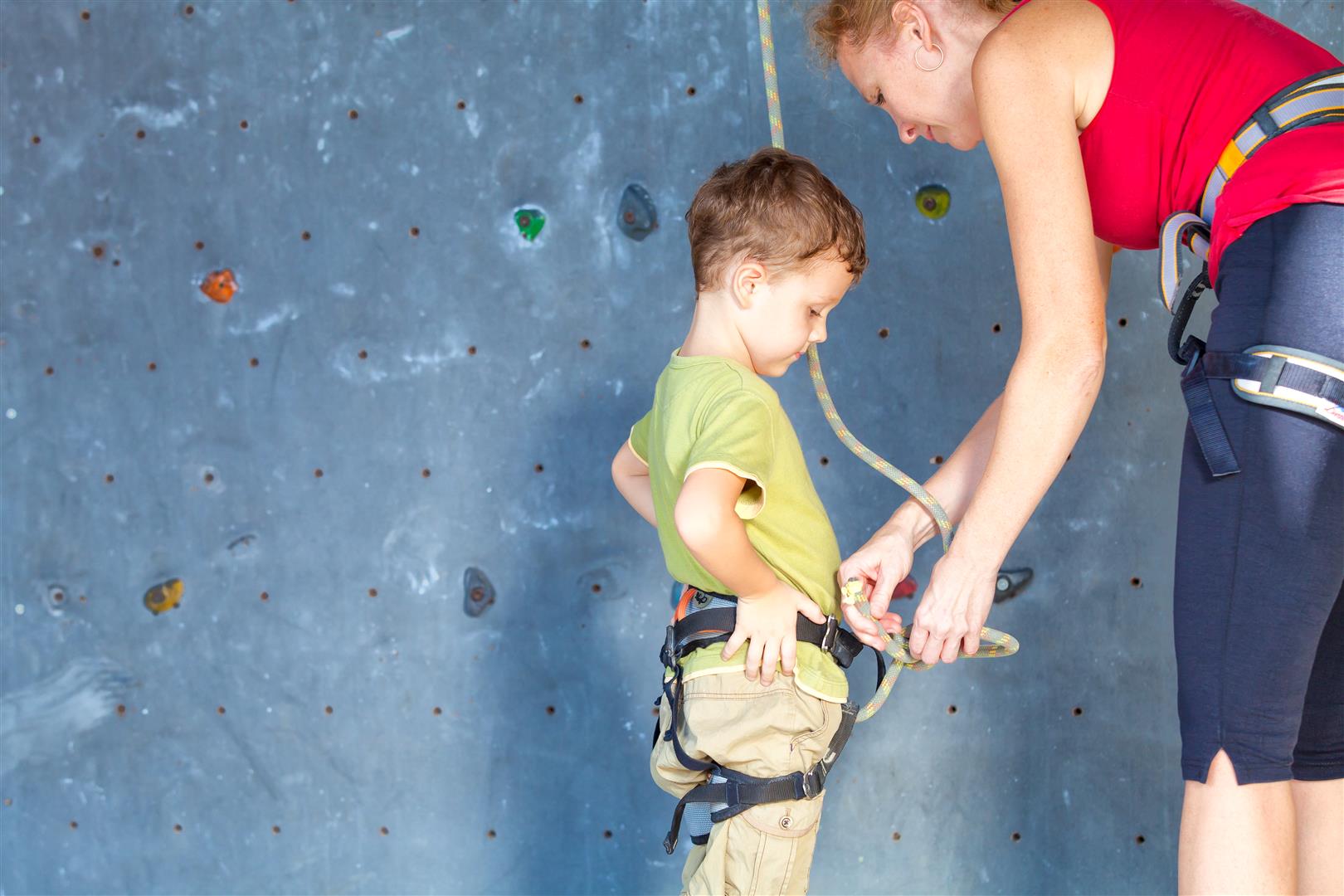
Public playgrounds are increasingly equipped with climbing elements, such as walls with holds of varying difficulty. These solutions allow children to vary their forms of movement and adjust the level of complexity to their own abilities. This means that both pre-schoolers and older children can take satisfaction in making one attempt after another. Safety is an important aspect. Modern playgrounds meet strict standards – the materials are non-slip, and the surface beneath the equipment cushions falls. For parents this means the assurance that their child is developing its skills in a well-considered environment. What is more, playing together in a group teaches cooperation, communication and patience, as children observe each other’s efforts and help one another to overcome obstacles.
Climbing as support for cognitive and sensory development
Play on climbing structures also intensively stimulates cognitive and sensory processes. Every child, in attempting to climb, must plan its movements, assess the capabilities of its body and anticipate the consequences of the route chosen. In this way it develops strategic and logical thinking and learns to solve problems in practice. At the same time it exercises spatial abilities, which results in better orientation in its surroundings and more efficient functioning in everyday situations. Climbing is also hugely important for sensory development. Contact with a variety of surfaces and holds stimulates the sense of touch, while changing body positions engage the vestibular system, which is responsible for balance and coordination of movement. The integration of visual, motor and tactile stimuli supports the process of sensory integration, so important in the first years of life. As a result, children learn to receive and process signals from their surroundings better, which makes learning, concentration and everyday functioning easier for them.
Climbing for children in the garden – a private activity zone
Recently many families have also been deciding to create their own recreational zone in the garden. Garden climbing equipment for children is a solution that provides daily access to movement in the fresh air and encourages children to spend time outside the home. Garden structures are available in many variants – from simple ladders and walls to more elaborate sets with ropes, bridges and playhouses. This makes it possible to match them to the age, abilities and number of children using the equipment. A private playground with climbing means children can play spontaneously, without the need for lengthy planning of outings. Parents, in turn, gain the comfort of observing the activity right next to the home, which gives a sense of safety and control.