

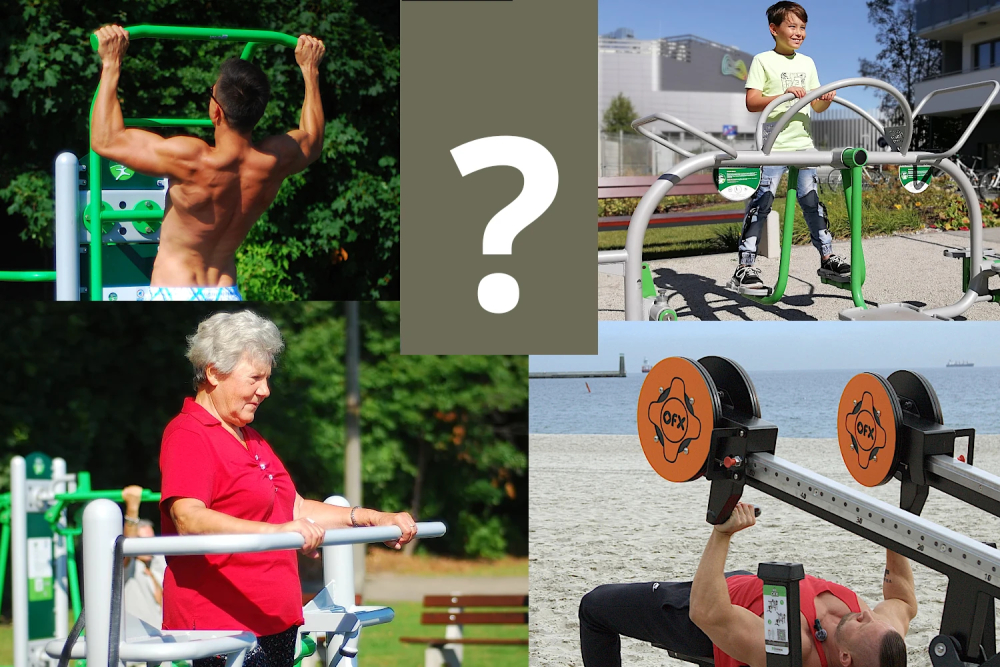


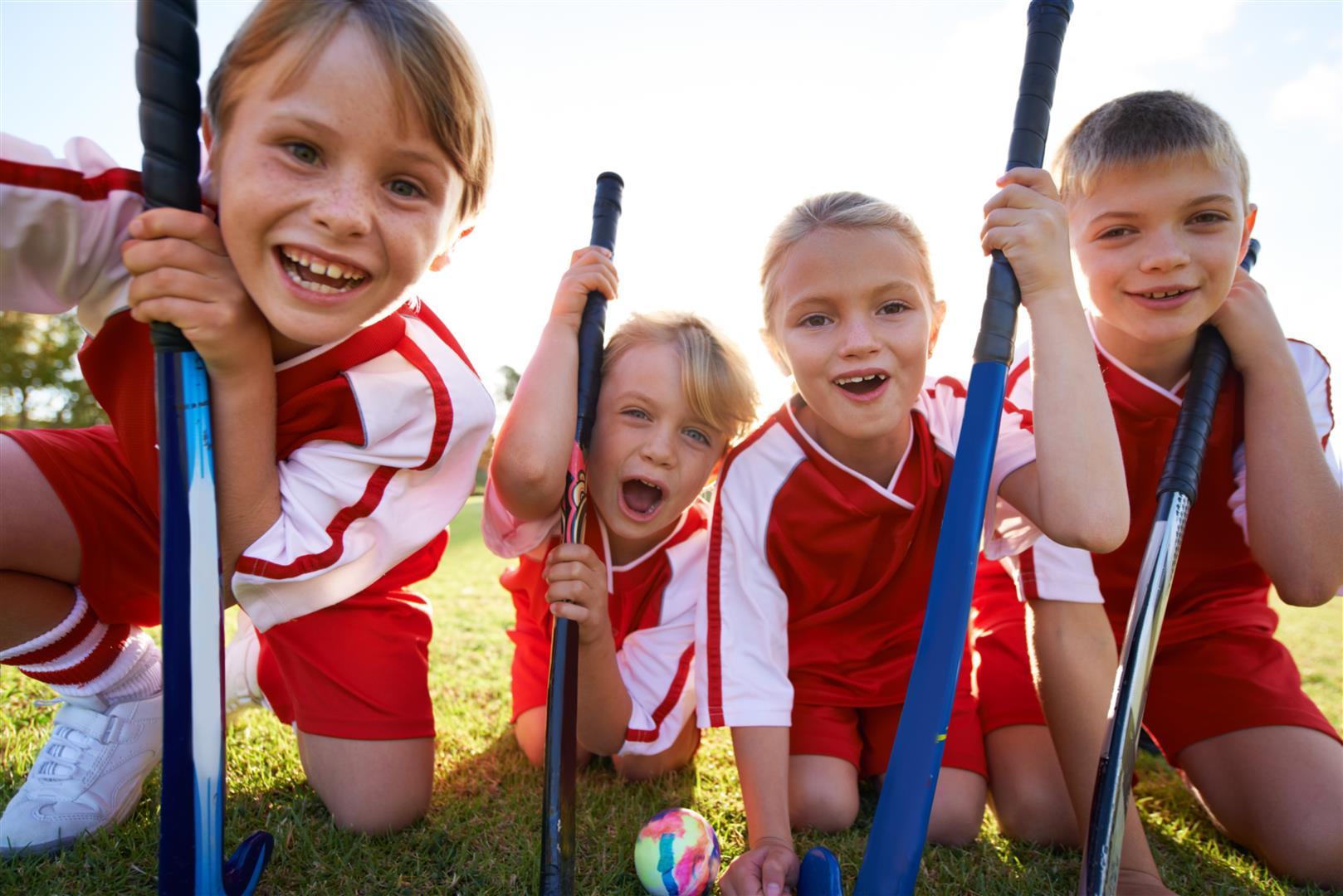
Active play is the foundation of a child’s healthy development at every stage of life. Physical activity not only improves physical fitness but also supports social, emotional and intellectual development.
Active play is the foundation of a child’s healthy development, which takes shape at every stage of its life. Physical activity not only helps to improve physical fitness, but also supports social, emotional and intellectual development. Through movement, children develop not only motor skills such as coordination and balance, but also learn cooperation, problem-solving and creativity. In this article we take a closer look at how active play affects children of different ages, how it fosters all-round development and how to weave it effectively into children’s everyday lives.
The importance of active play in a child’s development
Regular physical activity supports the proper development of the musculoskeletal system, improving muscle strength, flexibility and coordination. It is worth noting, however, that movement also fosters the shaping of social skills, which is just as important. Playing together allows children to learn cooperation, respect for rules and conflict resolution. During play, children learn to communicate with their peers and to express their emotions in a socially acceptable way. Active play is also hugely important in developing a child’s creativity. Children who have the freedom to move show greater creative invention. They often engage in play that requires imagination, such as pretending to be different characters or making up their own games and stories. This in turn fosters the development of problem-solving abilities and abstract thinking.
Physical activity in the fresh air – the natural surroundings as an ally of development
Physical activity in the fresh air is one of the most effective ways of supporting a child’s physical and emotional development. Outdoor play combines the benefits of movement with contact with nature, which fosters the development of perceptual abilities. Outdoor activities allow children to engage various senses and to experience the world around them in a way that is not possible indoors. Children can run, jump, climb and practise balance, which not only supports motor development but also improves concentration. Some games, such as treasure trails, obstacle courses or tag, perfectly combine elements of physical activity with learning cooperation and logical thinking. Activity in the fresh air gives children freedom, allows them to burn off excess energy, improves their fitness and helps to build healthy habits.
Movement and sensory play – developing the senses and fine motor skills
Play that engages the senses is another important element supporting a child’s development. Sensory play, such as exploring textures and materials of different feel, develops the sense of touch and helps children to recognise shapes, textures and materials. Activities of this kind also improve motor skills, especially fine motor skills such as precise movements of the hands and fingers, which is an important element in developing manual abilities. Play that involves creating sensory paths from various natural materials, such as pebbles, sand, bark or leaves, can stimulate the development of the senses, teaching a child to recognise a variety of textures. Activities of this kind improve concentration, develop cognitive abilities and give children enormous enjoyment.
Movement and a child’s mental health
Regular physical activity also has a positive effect on a child’s mental health. Active play together helps children to release tension, stress and anxiety, which is especially important during the growing-up years. Children who spend time on active play have greater resilience to stress and are less exposed to the negative effects of school or peer pressure. Active play also supports emotional development, allowing a child to express its feelings and emotions better, in both joyful and more difficult situations. Physical activity also helps to build self-confidence. Children who take part in play that involves challenges learn to cope with setbacks, which affects their later attitudes in adult life. Team activities teach cooperation, and playing in groups strengthens a sense of belonging and community.