



Participatory Budgeting in Europe: How It Works and How to Win Funding for an Outdoor Gym
Residents propose, residents vote, and the winning ideas are paid for from the public purse. That is the basic idea of participatory budgeting, and it is now used in thousands of places across Europe. The details differ from country to country, and even from one city to the next, but the logic is similar everywhere, and so are the reasons why some projects win and others fall at the first hurdle.
This guide gives you a general picture: what participatory budgeting is, the stages most schemes follow, how a handful of European countries approach it, and what to prepare if you want to put forward an outdoor gym. We deliberately keep the country descriptions short and general, because rules, budgets and deadlines change from year to year. Always read the current rules of the scheme you want to apply to.
In this guide:
- What participatory budgeting is
- The stages most schemes follow
- Who makes the final decision
- Participatory budgeting in selected European countries
- Why an outdoor gym is a strong proposal
- How to prepare a proposal, wherever you live
- What happens after the vote
- How Starmax helps
- Frequently asked questions
What is participatory budgeting?
Participatory budgeting (also called PB, citizens' budget or community budget) is a way of letting residents decide how a defined part of a public budget is spent. The idea began in Porto Alegre in Brazil in the late 1980s and reached Europe in the 1990s and early 2000s, first through projects in Italy and Spain. Today Europe has more participatory budgets than any other continent, from small village schemes worth a few thousand euros to city programmes worth tens of millions.
What is the same everywhere
A fixed pot of money is set aside, residents suggest projects, the authority checks which ideas are allowed and possible, and people then vote or rank them. The projects with the most support are funded, up to the limit of the pot.
What differs
Almost everything else: the size of the budget, who may propose and vote, the age limit for voting, whether voting is online or on paper, whether projects belong to a whole city or to a district, and above all how binding the result is.
The stages most participatory budgets follow
Names and timing vary, but most schemes move through the same stages. Knowing them helps you plan, because each stage has its own deadline and its own way to lose a good project.
- Announcement. The organiser publishes the budget, the rules, the calendar and the eligibility criteria.
- Submitting ideas. Residents send in proposals, often through an online platform, sometimes also on paper forms or at public meetings. Some schemes ask for supporting signatures at this stage, others do not.
- Verification. Officers check each idea. Typical questions: is the land owned by the authority, is the project within its powers, is it an investment and not a running cost, does it fit within the budget limit, can it be delivered in the given time? Ideas that fail are rejected, or the author is asked to change them.
- Campaign and vote. Admitted projects are presented to the public. Residents vote, online, in person or both. In some countries children and teenagers can vote too.
- Result. Projects are ranked, and those with the most votes are funded until the money runs out.
- Delivery. The authority buys and builds the winning projects, usually within one to two years.
The stage where most outdoor gym proposals are lost is verification, not the vote. We come back to this in the section on preparation.
Who makes the final decision?
This is the biggest difference between schemes, and it decides how much weight a vote really has.
- Binding schemes. The authority commits in advance to carry out whatever residents choose, within the pot. This is the model in many cities in Poland, France, Portugal and Spain.
- Consultative schemes. Residents rank or comment on proposals, but elected representatives take the final decision. This is common in Germany, where the budget is the legal responsibility of the elected council.
- Mixed schemes. Residents choose, and a committee or council confirms the list formally. In practice most winners go ahead.
Before you invest time in a proposal, find out which kind of scheme you are dealing with.
Participatory budgeting in selected European countries
The short overviews below show how different the schemes can be. They are not a legal guide, and the figures change, so treat them as orientation and check the current rules of your own scheme.
Poland
Poland is one of the countries with the most developed participatory budgeting in Europe. In cities with county rights (the largest cities) a participatory budget is a legal obligation, and the law sets a minimum share of the city's expenditure. Many smaller towns and villages run schemes voluntarily. Residents usually submit projects with a list of supporters, officers verify them, and residents then vote in the larger cities. Projects almost always have to be built on land owned by the municipality.
Portugal
Portugal is a pioneer. Lisbon was the first European capital to adopt a participatory budget, in 2007, and in 2017 Portugal launched what was described as the first participatory budget run at national level, funded from the state budget. It also has participatory budgets for schools and for young people, and many municipalities run their own.
France
Paris has one of the largest participatory budgets in the world. It started in 2014 and was set at around five per cent of the city's investment budget, roughly 100 million euros a year. Anyone living in Paris aged seven or over can propose and vote, regardless of nationality. Many other French cities, such as Grenoble and Rennes, run their own schemes.
Spain
Spain has a long tradition, with early schemes in Andalusia in the early 2000s. Madrid runs its scheme through the Decide Madrid online platform, where residents propose, support and vote on projects. The software behind it, called CONSUL, is open source and has been reused by other cities.
Germany
Germany's first participatory budgets appeared in 1998, and the idea spread across many municipalities, including Berlin districts, Stuttgart and Cologne. German schemes are mostly consultative: citizens put forward and rank proposals, and the elected council takes the decision. Quality and scale vary widely between municipalities.
Finland
Helsinki's OmaStadi scheme has run since 2018. In its fourth round the city set aside 10 million euros for residents' proposals. Residents aged 13 and over can vote, and voters have to identify themselves securely. The money is divided between the city's districts according to population.
United Kingdom
The picture is mixed. In Scotland, councils have a legal duty under the Community Empowerment (Scotland) Act 2015 to promote and facilitate public participation, including participatory budgeting, and ward-level community votes are common. In England participatory budgeting is voluntary and depends on the individual council, parish council or housing provider. Many outdoor gyms there are paid for through parish councils, developer contributions and grants.
Other countries
Participatory budgets also exist in the Czech Republic, Slovakia, the Baltic states, Iceland, Italy, the Netherlands, Ireland, Romania, Ukraine and many other countries, usually run by individual cities. If your country is not listed here, ask your town hall or municipal office whether a scheme exists.
Why an outdoor gym is a strong proposal in any country
Outdoor gyms are among the projects that appear most often in participatory budgets, and they tend to do well. The reasons are practical.
- Free and open all day. Anyone can use it at any hour, with no membership.
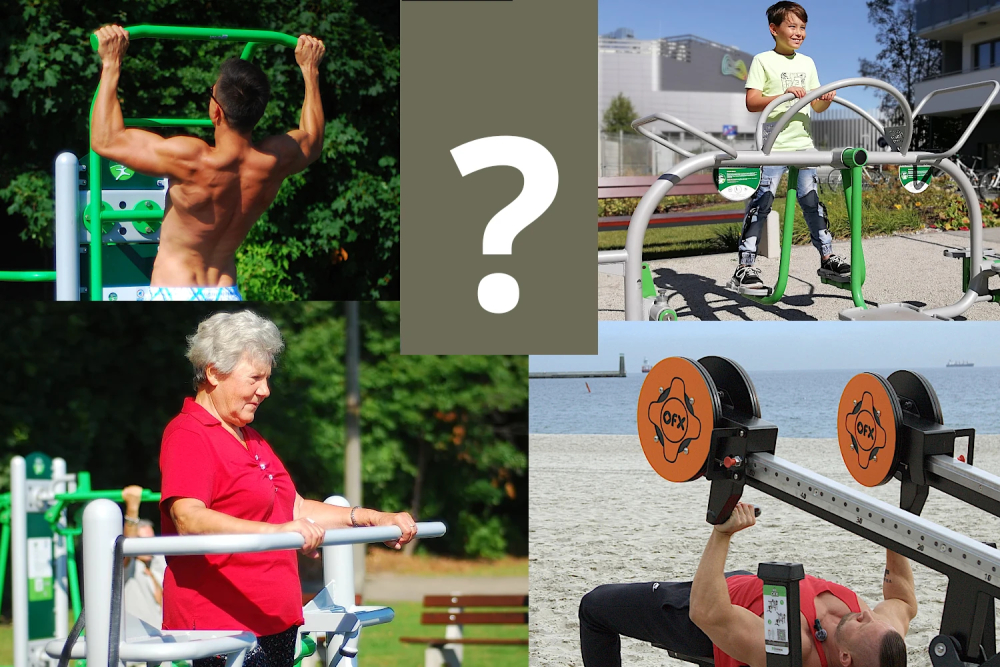
- Something for several generations. Equipment that works on body weight suits older people and beginners, while machines with adjustable resistance suit teenagers and people who want real strength training.
- Easy to assess. It is a defined set of equipment with a known size, price and standard, so officers can verify it quickly.
- Scalable. A small set fits a small budget, and a bigger zone can be added later.
- Easy to picture. A visualisation of the site persuades both the officers and the voters.
The equipment is made to the European standard EN 16630 for permanently installed outdoor fitness equipment, which gives officers a recognised reference when they check a proposal.
How to prepare an outdoor gym proposal, wherever you live
These points apply to nearly every scheme. They are the things that most often decide whether a project survives verification.
1. Read the current rules and calendar
Find the official page of the scheme and note the deadline, the budget limit per project, who may propose and any signature requirement. Deadlines are firm.
2. Choose land that the authority owns or manages
This is the most common reason for rejection. In most schemes a project can be built only on public land: a park, a school ground, a sports field, a village green or square. Check who owns the plot before you write anything else, and ask the owner or manager whether they agree.
3. Check what is underneath and around the site
Cables, pipes, trees and protected areas can block a location. Ask the authority early. Also think about access: a path that a wheelchair user can follow, visibility and lighting.
4. Decide who the gym is for and choose equipment
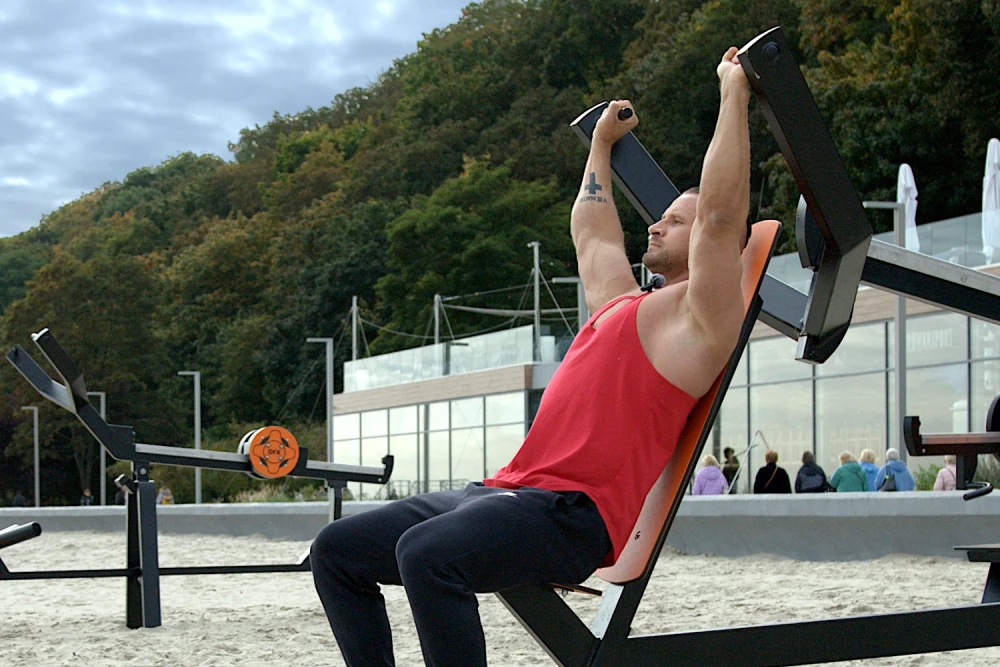
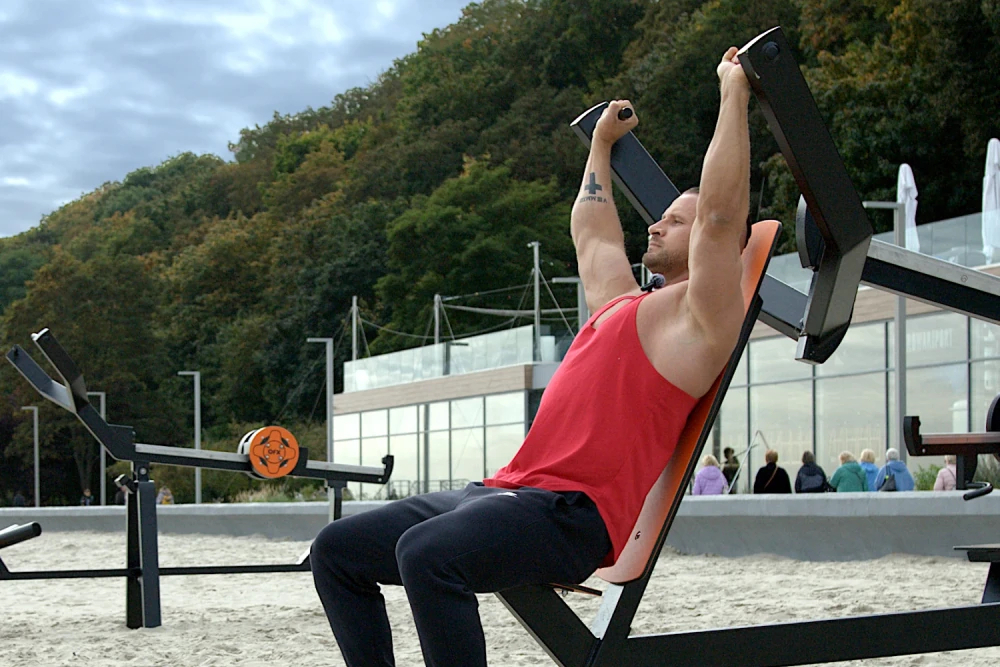
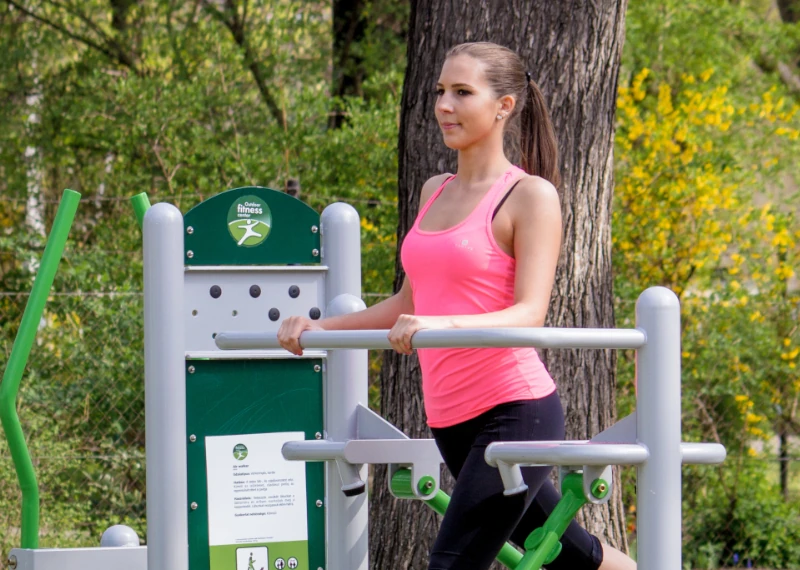
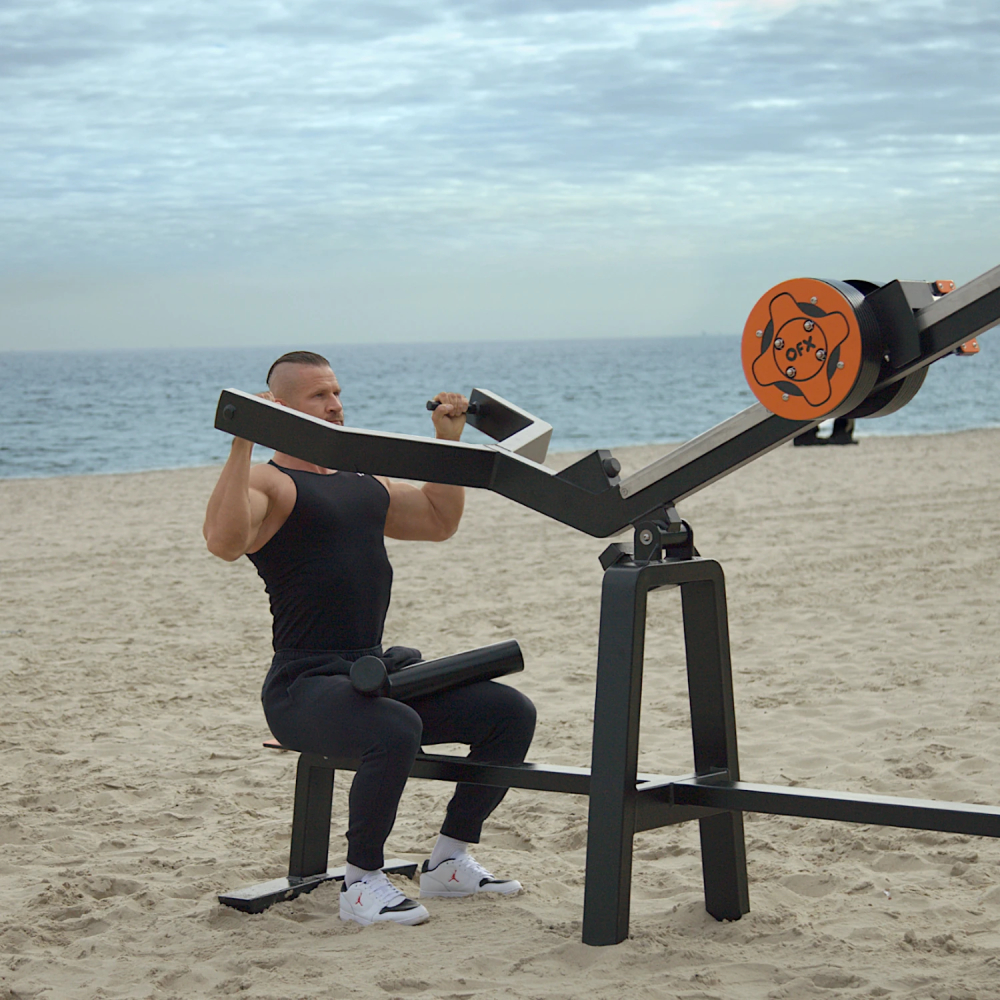
For older people and beginners, classic equipment on posts or pylons works well (our OF2 and OF3 series). For teenagers and adults who want to build strength, there are machines with adjustable resistance (the OFX series, designed for users aged 14 and over under adult supervision). For younger children there is the OFK Kids series. You can compare all of them on our outdoor gyms page.
5. Measure the space
Every machine needs a safety zone around it. For OFX machines allow about 18 to 23 m² per unit. They are fixed on concrete foundations (minimum C20/25), and the free fall height does not exceed 0.60 m, so the surface can be simple. Starmax prepares a layout and a visualisation for your site free of charge.
6. Budget realistically
Include the equipment, delivery, installation, foundations, surfacing, extras such as benches and bins, and a reserve for price rises. A budget with only the equipment price is a typical reason for a project to be rejected as underestimated, or to be impossible to deliver in full after the vote. Many schemes also ask who will maintain the equipment, so be ready to say that the owner of the site will.
7. Describe the project clearly
Say what exactly will be built, where, for whom and at what cost. "An outdoor gym in the park" is too vague. Attach a plan, photographs of the site and a visualisation.
8. Build support
Talk to schools, sports clubs, older people's groups, neighbours and local councillors. Use local social media groups, posters with a QR code to the vote, and local media. A group workout on the site just before the vote is a good way to get people there. Remind people to vote, because many supporters forget.
What happens after the vote?
The authority buys the equipment
In most schemes the public body that runs the budget buys and builds the winning project, usually through a public procurement procedure. That means the person who proposed the project normally cannot name the manufacturer in advance, and the contract goes to the supplier chosen in a fair, transparent process. What you can influence is how well the project is described, so describe equipment by function and by standard, not by brand.
Delivery time
The time from vote to opening depends on the authority's procedures. The production and delivery of the equipment itself is the shorter part: with Starmax, usually 4 to 8 weeks, and some devices are held in stock.
Warranty, spare parts and upkeep
Once the gym is installed, the owner of the site inspects and maintains it. Starmax gives a 3-year warranty, extendable to 5 years, and keeps spare parts available for at least 10 years, which helps the owner plan the long-term cost.
How Starmax helps you prepare an outdoor gym project
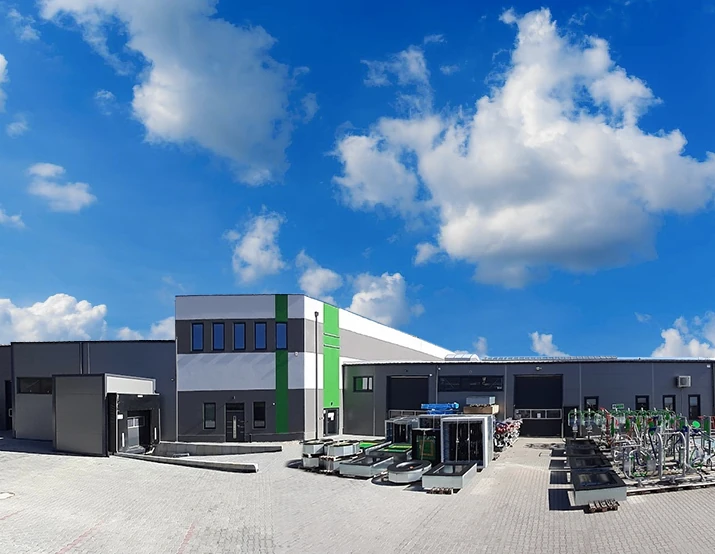
Starmax has been making outdoor gyms since 2007 and has produced more than 25,000 units. We cannot win the vote for you, and a public body cannot name us as the supplier in advance. What we can do is help you prepare a project that is realistic and easy to assess.
- Choice of equipment to suit the site and its users.
- A design with a 3D visualisation, free of charge, useful for the application and for the campaign.
- A preliminary quote, free of charge, with the items that are easy to forget: foundations, surfacing and installation.
- Technical data for your application: dimensions, safety zones, foundation requirements and standards.
- Tender documents if the project goes to tender: a specification, catalogue sheets and supporting documents.
Call +48 884 000 884 or see the full range of outdoor gyms.
Frequently asked questions about participatory budgeting
Is participatory budgeting the same in every country?
No. The principle is the same: a fixed pot, resident proposals, a check by officers and a vote. The rules on who can propose, how many votes you have, how much money is involved and how binding the result is differ from country to country and from city to city.
Is participatory budgeting compulsory?
Only in some places. In Poland, for example, it is a legal requirement in the largest cities. In many other countries it is voluntary and depends on the local authority.
Who can propose a project?
It depends on the scheme. Often any resident can, sometimes only adults, and in some places children and teenagers too. Some schemes require a list of supporters. Always check the rules.
Can I propose an outdoor gym on any land?
Usually only on land that the authority owns or manages, such as a park, a school ground or a sports field. Private land normally does not qualify.
Can I name the manufacturer in my proposal?
In most schemes the authority buys the equipment under public procurement rules, so the supplier is chosen after the vote. Describe the functions and the standard instead.
How much does an outdoor gym cost?
It depends on the number and type of equipment, foundations, surfacing and installation. Ask for a preliminary quote, which Starmax prepares free of charge.
What if there is no participatory budget where I live?
Ask your town hall about other ways to fund community projects, such as village funds, local grants or national and regional programmes. The same preparation steps apply.
Planning an outdoor gym for a participatory budget? Ask for a free quote and visualisation
Tell us about the site, who will use the gym and which scheme you are applying to. We will advise on the equipment and prepare a preliminary quote and a visualisation to include with your application. Call +48 884 000 884 or use the contact form on our website.